• Skip to primary navigation
  • Skip to main content
  • Skip to primary navigation
  • Skip to main content
Choose which site to search.
UAMS Health Logo UAMS Health
  • UAMS.edu
  • MyChart
  • Giving
  • Emergency Room
  • Types of Care
  • Locations
  • Doctors
  • Patients and Guests
  • Referring Physicians
  • Appointments
  • About Us
    • Awards and Recognition
    • Clinical Trials
  1. UAMS Health
  2. Conditions
  3. Foot Injuries

Condition: Foot Injuries

Each of your feet has 26 bones, 33 joints, and more than 100 tendons, muscles, and ligaments. No wonder a lot of things can go wrong. Here are a few common problems:

  • Bunions - hard, painful bumps on the big toe joint
  • Corns and calluses - thickened skin from friction or pressure
  • Plantar warts - warts on the soles of your feet
  • Fallen arches - also called flat feet

Ill-fitting shoes often cause these problems. Aging and being overweight also increase your chances of having foot problems.

Courtesy of MedlinePlus from the National Library of Medicine.

Syndicated Content Details:
Source URL: https://medlineplus.gov/footinjuriesanddisorders.html?utm_source=mplusconnect&utm_medium=service
Source Agency: National Library of Medicine
Fractures

What is a fracture?

A fracture is a break in a bone. Fractures are usually caused by injuries. Since they can sometimes be serious, it's important to get medical care right away if you think you have a fracture.

What are the different types of fractures?

There are different ways to describe fractures. For example, there are different types of fractures based on:

  • Whether the bone is partially or completely broken.
  • Whether the bone breaks through the skin; if it does, it's called an open (or compound) fracture. If not, it's a closed fracture.
  • The direction or shape of the break, for example if it's in a line across the bone or if it has some kind of pattern.
  • The cause of the break. For example, a stress fracture is a small break in a bone that is often caused by overuse.
  • Which bone is broken, for example facial fractures include nose and jaw fractures.

What causes fractures?

Fractures commonly happen because of car accidents, falls, or sports injuries. Overuse and repetitive motions can also cause fractures.

Low bone density and osteoporosis are conditions which cause weakening of your bones. Having one of these conditions makes you much more likely to break a bone.

What are the symptoms of a fracture?

The symptoms of a fracture can vary, depending on which bone you broke. But they may include:

  • Intense pain
  • Deformity, for example a limb that looks out of place
  • Swelling, bruising, or tenderness around the injury
  • Trouble moving the injured part

If you think that you may have broken a bone, get medical care right away.

How are fractures diagnosed?

To find out if you have a fracture, your health provider will do a physical exam and ask about your injury. They will also likely order an x-ray or other imaging test to see if your bone is broken.

What are the treatments for fractures?

The most common treatment for a fracture is for you to wear a cast or a splint. This will keep your bone from moving while it heals. How long you need to wear it will depend on the type of fracture and which bone is affected. But it's often for several weeks. Your provider will let you know when you can get it off.

In some cases, you may need surgery to put in plates, pins, or screws to keep the bone in place.

Can fractures be prevented?

There are steps you can take to lower your risk of fractures:

  • Keeping your bones strong by:
    • Getting enough calcium and vitamin D in your diet
    • Getting regular physical activity, including weight bearing exercises such as walking, tennis, and dancing
    • Getting treatment for low bone density or osteoporosis (if needed)
  • Wearing protective equipment when you do sports
  • Preventing falls by:
    • Getting rid of any tripping hazards in your home
    • Being careful when walking on wet or icy surfaces
    • Choosing the right footwear

Courtesy of MedlinePlus from the National Library of Medicine.

Syndicated Content Details:
Source URL: https://medlineplus.gov/fractures.html?utm_source=mplusconnect&utm_medium=service
Source Agency: National Library of Medicine

Toe Injuries and Disorders

Fourteen of the 26 bones in your feet are in your toes. The toes, particularly your big toe, help you move and keep your balance. Playing sports, running, stubbing your toe, and dropping something on your foot can damage your toes. Wearing shoes that are too loose or too tight can also cause toe problems. Certain diseases, such as severe arthritis, can cause toe problems and pain. Gout often causes pain in the big toe.

Common toe problems include :

  • Corns and bunions
  • Ingrown toenails
  • Sprains and dislocations
  • Fractures (broken bones)

Treatments for toe injuries and disorders vary. They might include shoe inserts or special shoes, padding, taping, medicines, rest, and in severe cases, surgery.

Courtesy of MedlinePlus from the National Library of Medicine.

Syndicated Content Details:
Source URL: https://medlineplus.gov/toeinjuriesanddisorders.html?utm_source=mplusconnect&utm_medium=service
Source Agency: National Library of Medicine

Contents

  • Resources
  • Treatments & Procedures
  • Providers
  • Locations
  • Areas of Expertise
  • Make an Appointment

Resources Related to Foot Injuries

Meet Dr. Robert D. Martin, Orthopaedic Surgeon (Video)

Dr. Rob Martin explains how pain or injuries to your foot or ankle may be affecting other parts of your body.

Watch the Video

Treatments and Procedures Related to Foot Injuries

UAMS Health providers perform and prescribe a broad range of treatments and procedures, some of which may not be listed below.

  • Ankle and Foot Tendon Repair
  • Immobilization

Providers Diagnosing or Treating Foot Injuries

Note that every provider listed below may not perform or prescribe all treatments or procedures related to Foot Injuries. Review each provider for availability.

Filter the Providers


Kyle Evan Arthur, M.D.

Kyle Evan Arthur, M.D. Sports Medicine Specialist

View Profile
James W. Bryan IV, M.D.

James W. Bryan IV, M.D. Sports Medicine Specialist

View Profile
Justin M. Hire, M.D.

Justin M. Hire, M.D. Pediatric Orthopaedic Surgeon

View Profile
Navin R. Kilambi, M.D.

Navin R. Kilambi, M.D. Sports Medicine Orthopaedic Surgeon

View Profile
Adrienne M. Koder, D.O.

Adrienne M. Koder, D.O. Pediatric Orthopaedic Surgeon

View Profile
Robert D. Martin, M.D.

Robert D. Martin, M.D. Orthopaedic Foot and Ankle Surgeon

View Profile
Chelsea S. Mathews, M.D.

Chelsea S. Mathews, M.D. Orthopaedic Foot and Ankle Surgeon

View Profile
Kathryn L. Nance, M.D.

Kathryn L. Nance, M.D. Sports Medicine Specialist

View Profile
Lawrence K. 'Larry' O'Malley II, M.D.

Lawrence K. "Larry" O'Malley II, M.D. Sports Medicine Orthopaedic Surgeon

View Profile
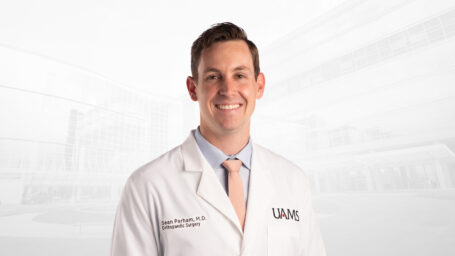
Sean G. Parham, M.D.

Sean G. Parham, M.D. Orthopaedic Foot and Ankle Surgeon

View Profile
John Whitmore Robben, M.D.

John Whitmore Robben, M.D. Pediatric Anesthesiologist

View Profile
Jacob R. Smith, M.D.

Jacob R. Smith, M.D. Sports Medicine Specialist

View Profile
Ramon C. Ylanan, M.D.

Ramon C. Ylanan, M.D. Sports Medicine Specialist

View Profile

Locations Where Providers Treat Foot Injuries

Note that the treatment of Foot Injuries may not be performed at every location listed below. The list may include locations where the treatment plan is developed during and after a patient visit.

Filter the Locations


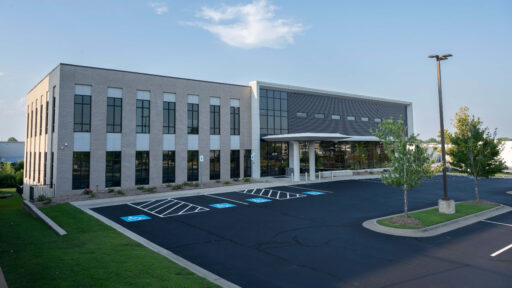
Orthopaedic and Spine Clinic in North Little Rock exterior

Orthopaedic and Spine Clinic in North Little Rock

4261 Stockton Drive
Stockton Medical Plaza
Suite 100
North Little Rock, AR 72117

Appointment Phone Numbers
501-526-1046
New Patients
501-526-5451
Returning Patients
View Location Get Directions
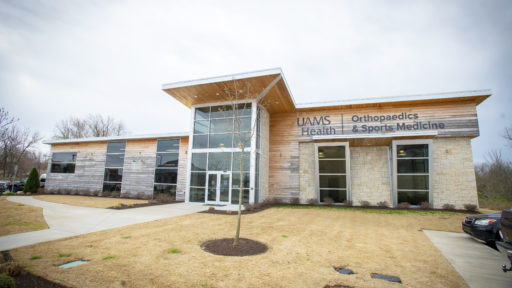
Orthopaedics and Sports Medicine Clinic exterior

Orthopaedic and Sports Medicine Clinic in Fayetteville

201 W. Van Asche Loop
Fayetteville, AR 72703

Appointment Phone Number
479-966-4491
New and Returning Patients
View Location Get Directions
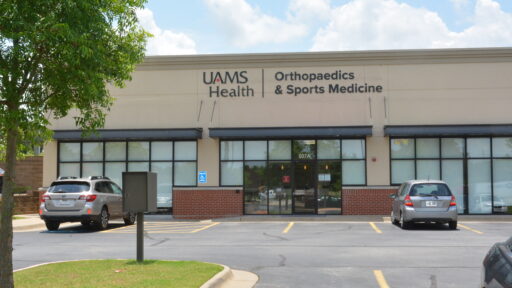
Orthopaedics & Sports Medicine Clinic in Lowell

Orthopaedic and Sports Medicine Clinic in Lowell

507 W. Monroe Ave.
Suite A
Lowell, AR 72745

Appointment Phone Number
479-334-7030
New and Returning Patients
View Location Get Directions
UAMS Orthopaedic Clinic on Shackleford

Orthopaedic Clinic on Shackleford

2 Shackleford West Blvd.
Little Rock, AR 72211

Appointment Phone Numbers
501-526-1046
New Patients
501-614-2663
Returning Patients
View Location Get Directions

Areas of Expertise for Foot Injuries

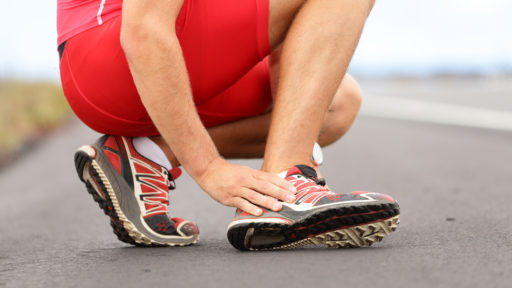
Male runner touching foot in pain due to sprained ankle.

Foot and Ankle Orthopaedics (Part of Orthopaedics)

The fellowship-trained foot and ankle orthopaedic surgeons at UAMS Health provide comprehensive care for a wide range of conditions and injuries that affect the

View Area of Expertise
Doctor helping a patient with shoulder pain

Orthopaedics

UAMS Health is recognized nationally and internationally for its expertise in orthopaedics.

View Area of Expertise
Image of a young male physiotherapist helping a mature male patient with movement exercises at a clinic.

Sports Medicine (Part of Orthopaedics)

From the beginner to the weekend warrior or senior athlete, all skill levels can benefit from our services to help you heal and get back to your activities.

View Area of Expertise

Make an Appointment

Request an appointment by contacting a clinic directly or by calling the UAMS Health appointment line at (501) 686-8000.

UAMS Health LogoUAMS HealthUniversity of Arkansas for Medical Sciences
Mailing Address: 4301 West Markham Street, Little Rock, AR 72205
Phone: (501) 686-7000
  • Facebook
  • X
  • Instagram
  • YouTube
  • LinkedIn
  • Pinterest
  • Disclaimer
  • Terms of Use
  • Privacy Statement
  • Notice of Privacy Practices
  • Price Transparency
  • Legal Notices

© 2025 University of Arkansas for Medical Sciences