Description
Even if your vision seems fine, an annual comprehensive eye exam is one of the most important steps you can take to protect your overall health.
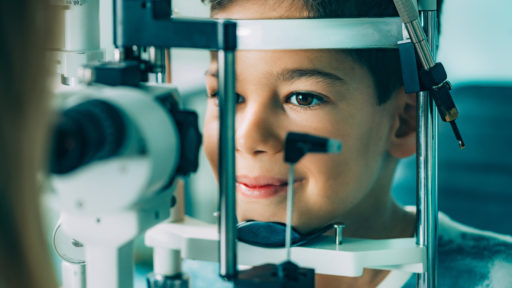
In this video, Dr. Ryan Wood of the UAMS Health Jones Eye Institute explains why yearly eye exams are essential, not just for vision, but for detecting early signs of serious health conditions such as high blood pressure, diabetes, and neurological disease.
Many eye conditions develop silently, without pain or noticeable symptoms, and may not be detected until permanent damage has occurred. A comprehensive eye exam allows specialists to identify these issues early and improve long term outcomes.
Dr. Wood also discusses warning signs that should prompt an immediate eye exam, including sudden vision changes, flashes of light, floaters, and eye pain.
Learn how routine eye care can help protect both your vision and your overall health.
Video Player

Transcript
Adults should have a comprehensive eye exam every year, and primarily it’s not because of their vision itself. Only a small portion of the eye pertains to the vision we’re aware of; most of the inside of our eye is made up of nerve tissue and blood vessels. Looking at those things can help us diagnose problems that may be going on elsewhere, like high blood pressure, diabetes, or neurological problems. In the beginning, most of these conditions don’t show any symptoms when they first present in the eye, so patients don’t know they’re happening unless someone actually looks in their eye. By the time a condition affects their vision, it’s often moderate to severe, and some of those problems can’t be reversed. Checking the eyes every year and catching problems ahead of time improves our prognosis and our ability to help patients.
Signs that someone should schedule an eye exam include sudden loss of vision, sudden blurry vision, flashes of light, floating spots, or any kind of eye pain. Interestingly, the inside of the eye doesn’t contain many pain receptors, so a lot of problems that might be serious don’t hurt. For patients who don’t typically get eye exams, one of the more common myths I hear is that because they’re seeing well, they don’t think they need one. Separating eye health from vision is important: yes, eye conditions can affect your vision, but only in specific areas and with specific problems, whereas overall eye and body health is better evaluated by looking at the health of the eye itself, not just the vision.
Everyday habits people can do to protect their eye health include wearing sunglasses. Often people say they don’t like wearing sunglasses because they don’t like things to look dark or dim, but it’s not really about protecting your eyes as much as protecting your skin and eyelids. The eyelids are one of the most common places to develop skin cancer, largely because we don’t put sunscreen there. Using sunglasses to block UV light can help protect the eyes and prevent those problems in the future. Sunglasses should block full spectrum UV, which you can find at a convenience store or in higher end glasses; they don’t necessarily need to be polarized. Polarization helps with light reflections, like vertical reflections off water when boating or fishing, but the main goal is filtering out harmful UV rays so they don’t cause problems for the eyes or skin.
Foods like carrots can be helpful; they contain fiber and certain antioxidants. But there are better foods than carrots for retinal and macula health. I like to promote two antioxidants in particular: lutein and zeaxanthin. These are found primarily in dark leafy greens, but also in bright yellow and orange pigmented vegetables. People tend to think of carrots, but vegetables with more of these antioxidants include sweet potatoes, orange bell peppers, or even egg yolks.
Vitamin D3 can be helpful for both the eyes and the skin. Other vitamins help too, such as vitamin A, which controls our ability to adapt from light to dark and to see well at night, and vitamin E, which can help with dry eyes and support the oil glands of the eyelids to prevent dryness over time. There are benefits to many of these vitamins, but it’s better to get them from food than from a supplement, if possible.