Description
Head and neck cancers can affect the mouth, throat, voice box, skin, thyroid and other important structures that play a critical role in how we speak, swallow and interact with the world around us. Recognizing the warning signs early can make a significant difference in both treatment outcomes and quality of life.
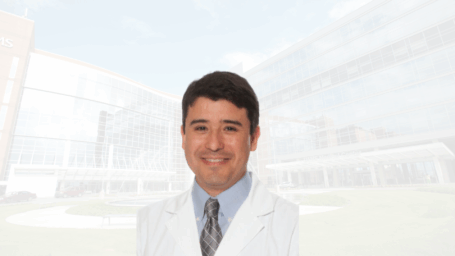
In this video, Dr. Mauricio Moreno, head and neck surgeon at UAMS Health, discusses the most common risk factors for head and neck cancer, including tobacco use, alcohol consumption and sun exposure. He also explains symptoms patients should never ignore, such as persistent mouth sores, difficulty swallowing, neck masses and unusual skin growths.
Dr. Moreno shares why early detection is so important — not only for improving cancer outcomes, but also for preserving function and helping patients maintain their sense of identity throughout treatment.
At UAMS Health, patients benefit from a multidisciplinary approach to care. Our head and neck cancer specialists work closely with medical oncologists, radiation oncologists and other experts to develop personalized treatment plans designed to achieve the best possible outcomes.
Learn more about the signs of head and neck cancer, when to seek care and how the UAMS Health team supports patients every step of the way.
Video Player

Transcript
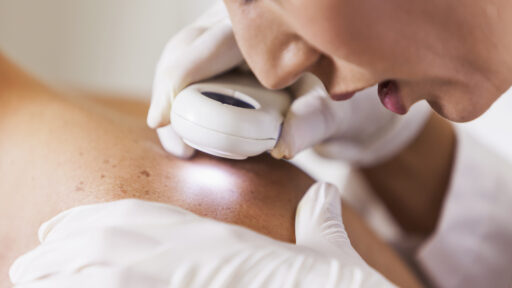
The main risk drivers for head and neck cancer are tobacco consumption in any form — particularly smoking, but also smokeless tobacco — as well as alcohol consumption. Those are the two primary risk factors for cancers of the mouth, throat, and voice box. For skin cancers of the head and neck, the main risk factor is exposure to sunlight.
The most common early symptoms depend on the location of the tumor. Generally speaking, they include mouth ulcers or sores that do not heal, difficulty swallowing, neck masses, lumps or bumps in the neck or on the skin, and any abnormal growth that has been present for a while or continues to grow over time. These are concerning symptoms that require immediate assessment.
Early detection is essential to achieving the best possible outcome. This is true for every cancer, but it is particularly true for head and neck cancer. When a tumor has advanced and spread, it affects not only survival but also the degree of function a patient will have after treatment. To give patients the best chance of beating the cancer and maintaining the best possible function afterward, early detection is critical.
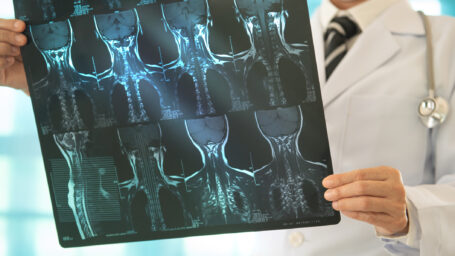
Whenever a patient is referred to our clinic, we work to schedule same-day appointments with our radiation oncology and medical oncology specialists. This multidisciplinary evaluation results in a coordinated, team-based treatment recommendation. From there, we typically complement the initial evaluation with additional imaging to assess for any spread, and then move forward with a treatment plan — which may involve surgery, non-surgical management, or a combination of both.
What drew me to this specialty initially was the intersection of complexity, function, and patient identity. The ability to address a life-threatening condition while preserving a patient’s function and sense of self is something I find truly fascinating.