Description
Meet Dr. Venkat Kalapatapu, professor and chief of vascular surgery at UAMS Health.
In this video, Dr. Kalapatapu explains the warning signs of vascular disease that patients should never ignore — and why seeking care early can make a significant difference in treatment options and long-term outcomes.
Early warning signs can include leg pain while walking and transient stroke-like symptoms such as sudden weakness or difficulty speaking that resolves on its own. More advanced warning signs include constant pain in the feet, non-healing ulcers on the toes, or dark discoloration of the toes — all signs that vascular disease may be progressing.
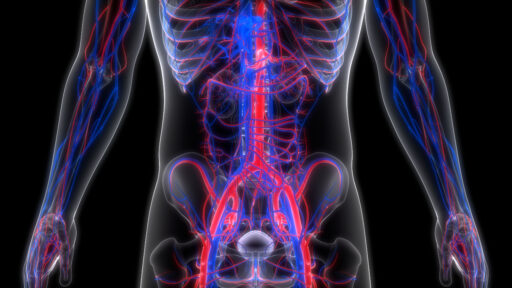
Dr. Kalapatapu also explains how vascular disease affects the body as a whole. Because the cardiovascular system is fully connected, a blockage in one area — the legs, the carotid arteries, or elsewhere — can signal problems in other parts of the body, including the heart. That is why vascular surgeons do more than treat the condition a patient presents with. They evaluate overall vascular health to ensure nothing else is being missed.
If you are experiencing symptoms of vascular disease, do not wait. Early diagnosis preserves more treatment options and leads to better outcomes.
Learn more about the warning signs of vascular disease and the comprehensive vascular care available at UAMS Health.
Video Player

Transcript
Early warning signs may include pain in the legs while walking, or transient stroke-like symptoms — such as sudden weakness in the legs or difficulty speaking that improves on its own. These should not be ignored.
Advanced warning signs, particularly with blockages in the legs, may include constant pain in the feet, ulcers on the toes, or dark discoloration of the toes. All of these are signs that patients should take seriously and seek care promptly.
Vascular disease affects overall health in a significant way. The cardiovascular system involves the heart — the engine and pump of the human body — along with all of the arteries and veins connected to it. When there is a problem in one part of the body, whether in the legs, the carotid arteries, or elsewhere, there may also be blockages in other parts of the body, including the heart.
It is very important that recognizing a blockage in one area leads to evaluation of the rest of the vascular system. The same risk factors that cause blockages in one part of the body can cause blockages elsewhere. As vascular surgeons, our job is not just to identify and treat what the patient presents with, but to ensure there are no other problems throughout the body.
For anyone experiencing symptoms of vascular disease, I would strongly advise seeking care as soon as possible. Putting off care when symptoms are present can only make things worse. The disease can progress to a point where treatment options become limited. Once you start to notice those symptoms and signs, please seek care.