Pediatric occupational therapy (OT) helps kids build the skills they need to do everyday activities at home, school, and in the community—things like playing, learning, self-care, and managing their bodies and emotions.
What pediatric OT often works on:
- Fine motor skills: grasping, coloring, cutting, handwriting, using utensils, buttoning/zipping
- Visual-motor / visual-perceptual skills: copying shapes/letters, puzzles, catching a ball, spacing on paper
- Sensory processing: sensitivity to noise/textures, sensory seeking (crashing/jumping), picky eating related to textures, staying regulated
- Self-care (ADLs): dressing, brushing teeth/hair, toileting routines, bathing, feeding skills
- Gross motor + coordination (sometimes): balance, bilateral coordination (using both hands), core strength, planning movements
- Executive function: attention, organization, following routines, starting/finishing tasks
- Emotional regulation: coping strategies, transitions, frustration tolerance, social participation in daily routines
- Assistive tools + accommodations: pencil grips, seating/supports, visual schedules, adaptive utensils, classroom strategies
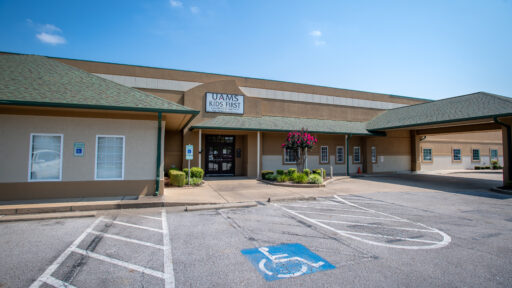
UAMS pediatric occupational therapy (OT)—available through UAMS Kids First—focuses on helping children build the everyday functional skills they need to participate in family life, early learning, and their community.
Within Kids First, OT is part of a medically directed, interdisciplinary pediatric day health program for young children with special health care needs (birth to age 5), where families are encouraged to be actively involved—observing, participating, and learning strategies to continue progress at home. Each Kids First center is under the medical direction of a developmental pediatrician and can provide OT alongside other supports as needed.