Description
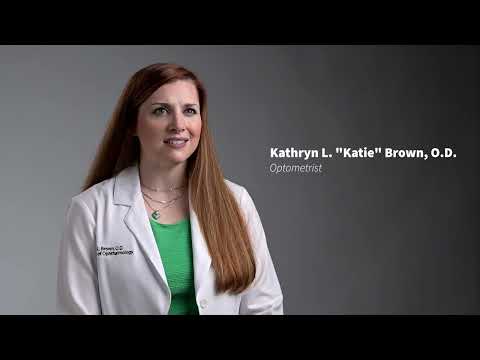
Dr. Katie Brown from UAMS Health discusses the importance of eye safety while viewing a solar eclipse and what can happen when proper precautions are not taken. Dr. Brown also touches on tips to view the eclipse safely and also what not do.
Video Player
Transcript
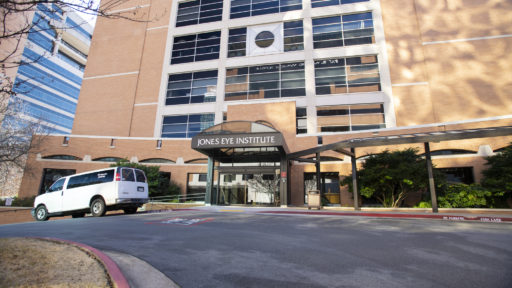
My name is Dr. Katie Brown. I’m an optometrist at the UAMS Jones Eye Institute. It’s very dangerous for your eyes to look directly at the sun. During an eclipse, damaging sun rays are still present during most of the eclipse time frame. The focused sun rays can damage retina or the back of the eye, which once damaged, is likely permanent. This is called solar retinopathy. Damage from using unsafe eclipse viewing methods, may present as central vision loss, with a blind spot or black spot in the center of your vision, color vision loss, or even distortion of your central vision. These vision changes are not painful but are likely to be permanent. There is also a chance that you could harm the front of the eye, called the cornea, this results in a “sunburn” to the cornea, called solar keratitis. In contrast, this condition is painful. It can feel like you have something stuck in your eye, you can have light sensitivity, eye watering, and blurry vision. Vision loss is not instantaneous and may take a few hours before onset. You need to see an optometrist or ophthalmologist as soon as possible if you suspect that your eyes have been affected by sun while viewing the eclipse. To schedule at UAMS Jones Eye Institute, call 501-686-5822.
- DO NOT look at the sun while squinting.
- DO NOT look at the sun while wearing sunglasses. No, your fancy Polarized Oakley’s or Rayban’s will not provide adequate protection. Polarization just helps to eliminate surface glare from roads or water.
- DO NOT wear 3D glasses while looking at the sun. Not helpful at all!
- DO NOT look at the sun through binoculars or telescopes. Special filters must be incorporated in these instruments to view the sun.
- DO NOT look through CD’s, space blankets, mylar ballons, food wrappers or pinholes. The amount of light entering the eye is not well-regulated and likely too intense.
- DO NOT remove your prescription glasses while looking at the sun. Just because the sun might be blurry without glasses, doesn’t mean that it’s not doing damage.
- DO NOT use post-mydriatic glasses. These are the ones you get from your eye doctor after being dilated. These are dark, but still do not provide enough protection for direct sun viewing.
Now that we’ve discussed what NOT to do. Here are some safe guidelines to use while viewing the solar eclipse:
- ONLY USE ISO 12312-2 filters, commonly known as eclipse glasses
- ALWAYS keep your solar eclipse glasses on when looking at the sun….Especially during a partial eclipse. We know that they are dark…. THEY ARE SUPPOSED TO BE!
- Inspect your glasses for holes or damage before wearing them.
- Look away from the sun before removing your solar glasses and please keep your glasses pressed firmly against your face.
A great indirect viewing method that is safe to use is a pinhole projector. This is a fun project to do with your kids at home and can make the eclipse a learning experience. This method projects the image of the eclipse onto a flat surface for viewing without the need for solar eclipse glasses. For instructions, you can visit jpl.nasa.gov/edu/learn. There are many retailers selling solar eclipse glasses. Just remember that they need to be marked with the ISO 12312-2 designation to be considered safe. UAMS Jones Eye Institute will be handing out solar eclipse glasses starting the week before the eclipse to our patients and community. Please stop by and see us! Also keep an eye out for announcements about eclipse viewing events being held on the UAMS campus. Be sure to protect your eyes while viewing the eclipse. Use this natural phenomenon as an opportunity to increase your understanding of the world around you. Have fun and be safe!