Also called: Cranial Ischemia
What is an ischemic stroke?
A stroke happens when there is a loss of blood flow to part of the brain. Your brain cells cannot get the oxygen and nutrients they need from blood, and they start to die within a few minutes. This can cause lasting brain damage, long-term disability, or even death.
There are two main types of strokes, ischemic and hemorrhagic. Ischemic stroke is the more common type. An ischemic stroke happens when a blood clot blocks a blood vessel in the brain. Quick treatment can save a life and improve the chances of recovery.
What causes an ischemic stroke?
Ischemic strokes are usually caused by one or more of the following:
- A blood clot. A clot can form in an artery that supplies the brain (thrombosis), or it can travel from another part of the body (embolism).
- Atherosclerosis. A disease in which plaque, a sticky substance made up of cholesterol, fat, and other substances, builds up inside your arteries.
- Irregular heart rhythms. Conditions like atrial fibrillation can cause clots to form in the heart, which may travel to the brain.
- Other heart and blood conditions. Such as heart valve diseases or sickle cell disease.
A transient ischemic attack (TIA) is caused by a brief blockage of blood flow to the brain. It usually lasts a few minutes. Having a TIA can mean you are at risk for having a more serious stroke.
What are the symptoms of ischemic stroke?
Symptoms of stroke often happen suddenly. They include:
- Sudden numbness or weakness of the face, arm or leg (especially on one side of the body)
- Sudden confusion, trouble speaking or understanding speech
- Sudden trouble seeing in one or both eyes
- Sudden trouble walking, dizziness, loss of balance or coordination
- Sudden severe headache with no known cause
If you think someone is having a stroke, the F.A.S.T. test can help you remember what to look for. Think "FAST" and look for:
- Face drooping on one side when smiling.
- Arm weakness that occurs when the arms are raised, and one arm drifts downward.
- Speech is slurred or strange.
- Time to call 911.
How is an ischemic stroke diagnosed?
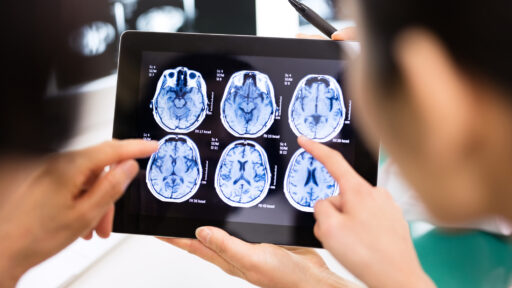
To make a diagnosis, your health care provider may do a physical exam, ask about your symptoms and medical history, and use imaging tests. Other heart tests may be done to help find the cause of the stroke.
How is an ischemic stroke treated?
It is important to treat strokes as quickly as possible. The most common treatments include:
- Medicines such as blood thinners or thrombolytics (which break up and dissolve existing clots) may be used to prevent or treat ischemic stroke.
- Surgery or stenting may be used to open narrowed arteries or remove plaque build-up from the carotid arteries, which supply blood to the brain.
After treatment, rehabilitation can help you regain lost skills and independence. Your provider may also order other medicines to manage your blood pressure,cholesterol, or other health problems such as diabetes that may increase your risk for stroke.
Can an ischemic stroke be prevented?
The best way to prevent stroke is by making heart-healthy lifestyle changes to lower your risk. If lifestyle changes aren't enough, your provider may prescribe medicine to help manage your risk factors.
NIH: National Institute of Neurological Disorders and Stroke
Courtesy of MedlinePlus from the National Library of Medicine.
Syndicated Content Details:
Source URL: https://medlineplus.gov/ischemicstroke.html?utm_source=mplusconnect&utm_medium=service
Source Agency: National Library of Medicine