Description
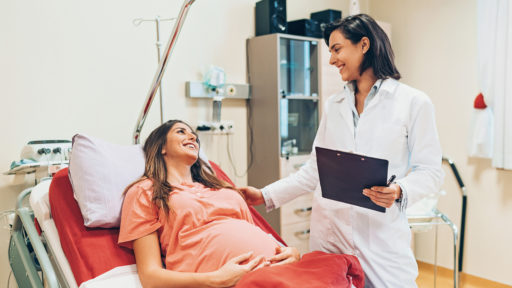
Certified nurse midwife Shannon Whatley shares what midwives do and why she chose this path—to care for women from puberty through menopause and beyond. Learn how CNMs provide well-woman and primary care, support families during labor and birth, and build meaningful relationships that last a lifetime. Shannon also explains the difference between certified nurse midwives and home birth midwives in Arkansas, and how midwives offer 24/7 hospital-based support focused on personalized, compassionate care for every woman and every family.
Video Player

Transcript
My name is Shannon Whatley, and I am a certified nurse midwife.
Midwives care for women from early ages—from puberty all the way through menopause and beyond. We provide well-woman care, primary care, contraception management, and anything that involves a woman’s health.
We also spend a significant amount of time at the bedside during labor. We help with labor positioning and pain relief, and we are there to catch the baby when the baby is born—or to support dads. Sometimes we even have dads who catch their babies.
Midwives are at the hospital 24/7. There is always one of us available whenever one of our patients comes in with concerns—whether it’s labor, decreased fetal movement, or something else. We are there to care for them.
We receive a lot of questions about home birth midwives versus nurse midwives. In Arkansas, there are two types of midwives. There are licensed lay midwives, also known as LLMs, who may also be referred to as certified professional midwives, or CPMs. They primarily practice in home birth settings and are governed by the Arkansas Medical Board.
Certified nurse midwives, like we’ve discussed, are advanced practice registered nurses who can practice in the home, in birth centers, or in the hospital. Many people are surprised to learn that there is a difference between the two.
When I became a nurse, I went straight into labor and delivery and truly enjoyed my time there. I love being at the bedside and caring for women during one of the most special times in their lives. I also love the relationships that form during that care.
After three or four years, I realized the time I had with these women wasn’t enough. I wanted to care for them from the beginning—to get to know their families before labor and delivery, to understand what was happening in their lives, and to be the provider who cares for them from well-woman visits through pregnancy, labor and birth, and postpartum care.
I wanted to be the one who builds and maintains that relationship throughout their journey.