The UAMS Medical and Surgical Weight Management Program offers:
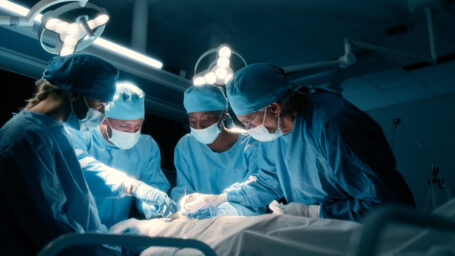
A highly skilled surgical team
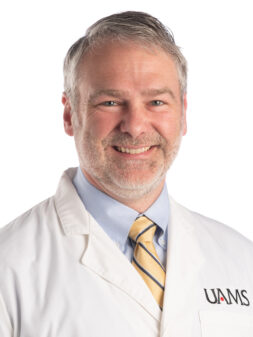
Our team of board-certified surgeons have specialized expertise in weight loss surgery.
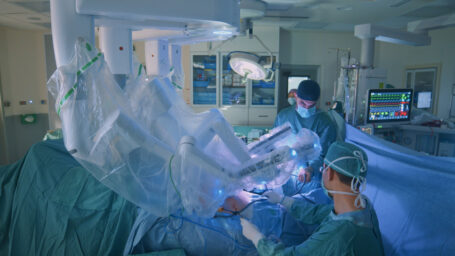
Surgical Innovation
We utilize the latest advancements in technology, offering both robotic and minimally invasive approaches to bariatric surgery for enhanced precision and faster recovery.

A collaborative care team
We collaborate with obesity medicine doctors, nurses, dieticians, and psychologists to help you on your weight loss journey.

An individualized care plan
We create a personalized plan tailored to your unique health needs to ensure the best possible outcome for you.
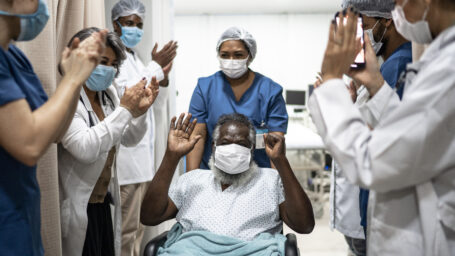
Ongoing support
We are committed to supporting you throughout your entire pre- and post-operative journey, ensuring continuous success as you work toward your weight loss goals.
Conveniently Located
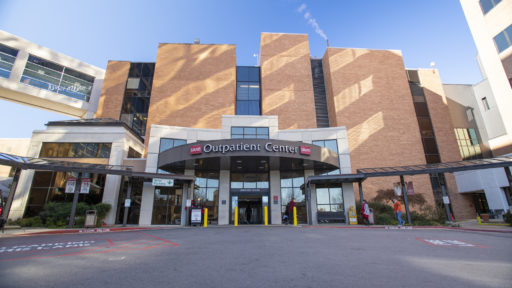
Medical and Surgical Weight Management Clinic
4110 Outpatient Circle
Outpatient Center
Outpatient Center South
Little Rock, AR 72205
- Appointment Phone Number
- 501-526-7877
New and Returning Patients
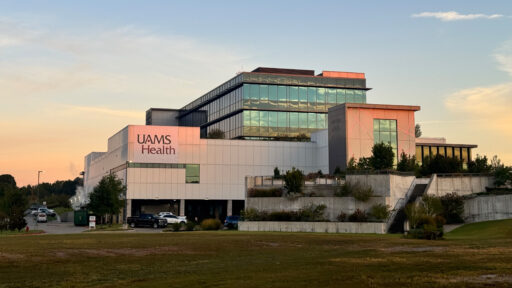
Expertise Care
We are Here to Support Your Journey
We offer a support group comprised of patients in the pre and post operative stage of surgery along with UAMS team members. Meetings will be held on the 1st Wednesday, every other month via Teams. For more information or to register, please email us using the button below. Please note, this email is intended for administrative purposes only. Clinical questions should be address via Mychart or by contacting our office directly.
Register NowRoux-en Y gastric Bypass
Roux-en-Y gastric bypass (RYGB) is a type of weight-loss surgery (bariatric surgery) that helps individuals lose weight by restricting food intake and reducing nutrient absorption. During the procedure, the surgeon creates a small pouch from the stomach (about the size of an egg) and connects it directly to the small intestine, bypassing most of the stomach and the first portion of the small intestine. This reduces both the amount of food you can eat and the calories your body absorbs, helping you feel full after smaller portions and lose weight more effectively.
Benefits for Diabetes
One of the most remarkable benefits of RYGB is its effect on type 2 diabetes. Many patients see dramatic improvements in their blood sugar control, often within days to weeks after surgery—even before significant weight loss occurs. For patients who take insulin, RYGB frequently reduces insulin requirements, and some patients are able to stop taking diabetes medications altogether. This happens because the surgery changes how your body processes food and affects the hormones that control blood sugar.
How RYGB Affects Your Body’s Natural Hormones
After RYGB, your body naturally produces more of a hormone called GLP-1 (glucagon-like peptide-1)—yes, the same type of hormone found in injectable medications like Ozempic® and Wegovy® that you may have heard about. GLP-1 is sometimes called the “feeling full” hormone because it helps you feel satisfied after eating, but it does much more than that. It also helps your pancreas release the right amount of insulin when you eat and helps keep your blood sugar levels stable. This natural increase in GLP-1 is one reason why RYGB is so effective at improving diabetes—your body is producing more of its own blood sugar-regulating hormone naturally after the surgery.
Who qualifies for gastric bypass surgery?
Gastric bypass surgery is typically recommended for patients:
- With a BMI over 40, or
- With a BMI between 35 and 40 who also have significant obesity-related medical conditions like diabetes, heart disease, or sleep apnea, or
- With a BMI over 35, significant Gastroesophageal Reflux Disease (GERD) not well treated with medication
Check out a BMI calculator to estimate your BMI.
What are the risks of gastric bypass surgery?
Like any surgery, gastric bypass carries potential risks, including:
- Bleeding
- Infection
- Pain
- Heart or lung problems
- Blood clots
- Leaks at surgical connection sites
- Bowel obstruction
- Dumping syndrome (when food moves too quickly from stomach to small intestine, causing nausea, vomiting, diarrhea, and dizziness)
- This can usually be managed by avoiding sugary foods and eating slowly.
- Gallstones
- Hernias
- Low blood sugar (hypoglycemia)
- Malnutrition and vitamin deficiencies
- Ulcers
- Excess skin after weight loss, which some patients choose to address with additional surgery
In the long term, you will experience reduced nutrient absorption, making vitamin and mineral supplementation essential. It’s important to discuss any concerns with your healthcare team to understand the risks based on your individual health.
How do I prepare for gastric bypass surgery?
Before undergoing gastric bypass surgery, your healthcare team will assess whether the procedure is right for you. Prior to surgery, you’ll need to participate in a bariatric surgery education program to prepare for both surgery and life afterward. This is a several month-long process which may include nutritional counseling, a psychological evaluation, and a series of physical exams and tests to assess your readiness for surgery.
What happens during gastric bypass surgery?
During the surgery, you will be placed under general anesthesia. The surgeon creates a small stomach pouch (holding about 1 ounce or 30 milliliters) by dividing the top of the stomach from the rest. Then, a section of the small intestine is connected directly to this pouch, allowing food to bypass most of the stomach and the upper portion of the small intestine. The surgery is typically performed robotically/laparoscopically through small incisions and usually requires a 1-2 days hospital stay.
How do I recover from gastric bypass surgery?
Patients typically spend 1-2 days in the hospital after gastric bypass surgery. You will follow a special bariatric surgery diet for several weeks after discharge, starting with liquids and gradually progressing to solid foods. As your stomach heals, you’ll need to adopt new eating habits, focusing on smaller, more frequent meals. After surgery, the stomach pouch can hold only about 1 cup of food at a time, so each meal will need to be small, and it’s important to eat slowly and chew thoroughly.
You will need to take daily vitamin and mineral supplements for life after surgery, including a multivitamin, calcium, iron, and vitamin B12. You will need regular blood tests in the years following surgery to monitor for issues like anemia, vitamin deficiencies, and blood sugar levels. Because of risk of ulceration at the new connection between your stomach and small bowel, after surgery you must avoid nicotine and non-steroidal anti-inflammatory drugs (NSAIDs).
What results can I expect?
On average, patients lose 60-80% of their excess weight within two years of gastric bypass surgery. For example, if you are 100 pounds above your ideal body weight, you can expect to lose approximately 60-80 pounds. However, individual results may vary, depending on how well you follow the post-operative guidelines.
Some weight may be regained over time. However, at 5 years most patients have maintained 70% of their weight loss. Continuing to follow a healthy diet & exercise regularly and maintaining follow-up with the weight loss clinic can help prevent weight recurrence. Consider joining a support group to stay on track with your new eating habits and ask your healthcare provider for trusted resources.
Robotic-Assisted Weight-Loss Surgery
The UAMS Medical and Surgical Weight Management Clinic uses the da Vinci surgical system, which provides your surgeon with an advanced set of tools for performing robotic-assisted, minimally invasive surgery.
Advantages of Robotic-assisted Weight Loss Surgery
With a highly magnified, 3-dimensional view of the surgical field, some potential benefits of robotic weight loss surgery are:
- A shorter hospital stay
- Reduced pain
- Minimal scarring
- Faster recovery
- Decreased risk of infection